
Huntington Woods is one of Oakland County’s most tree-dense residential communities, where mid-century brick homes sit under a broad canopy of mature oaks, maples, and elms. Small lots, aging roots pressing into sidewalks and foundations, and overhead utility conflicts create real challenges for property owners. The tree care professionals in Troy within Arbor Tree Care's network know how to evaluate tree stability, manage canopy clearance, and protect established root zones on properties that need to stay safe and accessible all year.
That is why more Huntington Woods property owners turn to Arbor Tree Care for year-round maintenance.

Prefer to Talk to An Expert?
(248) 809-5996
Why Huntington Woods Property Owners Trust Local Professionals to Get It Right
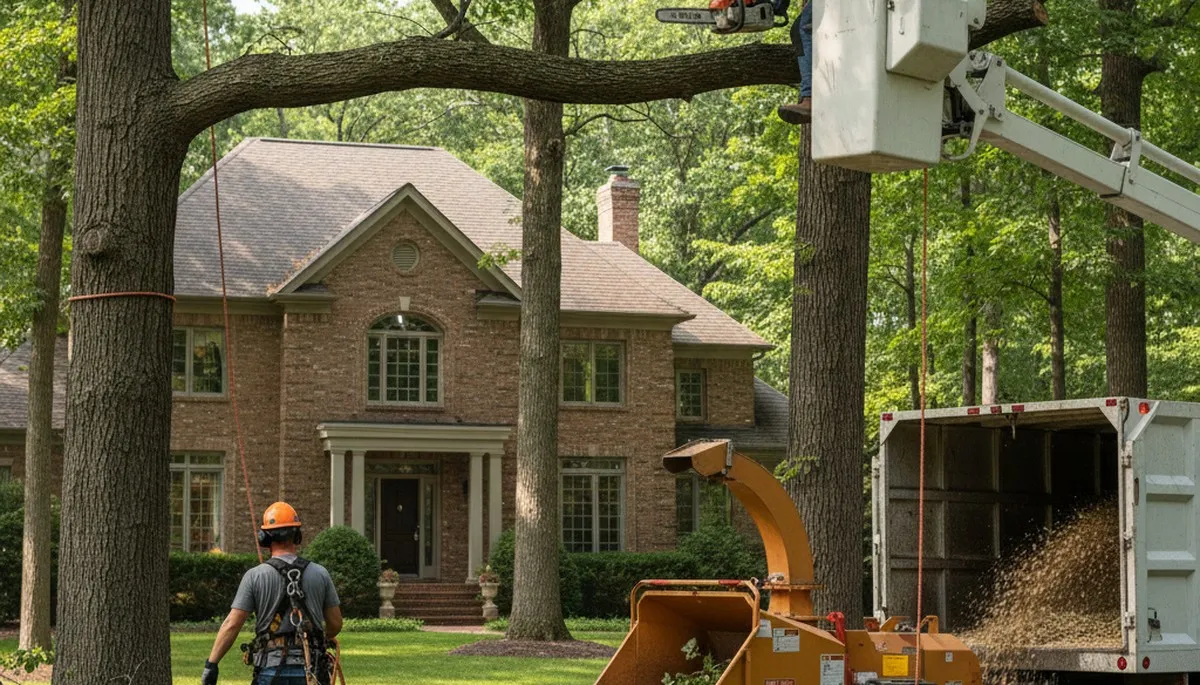
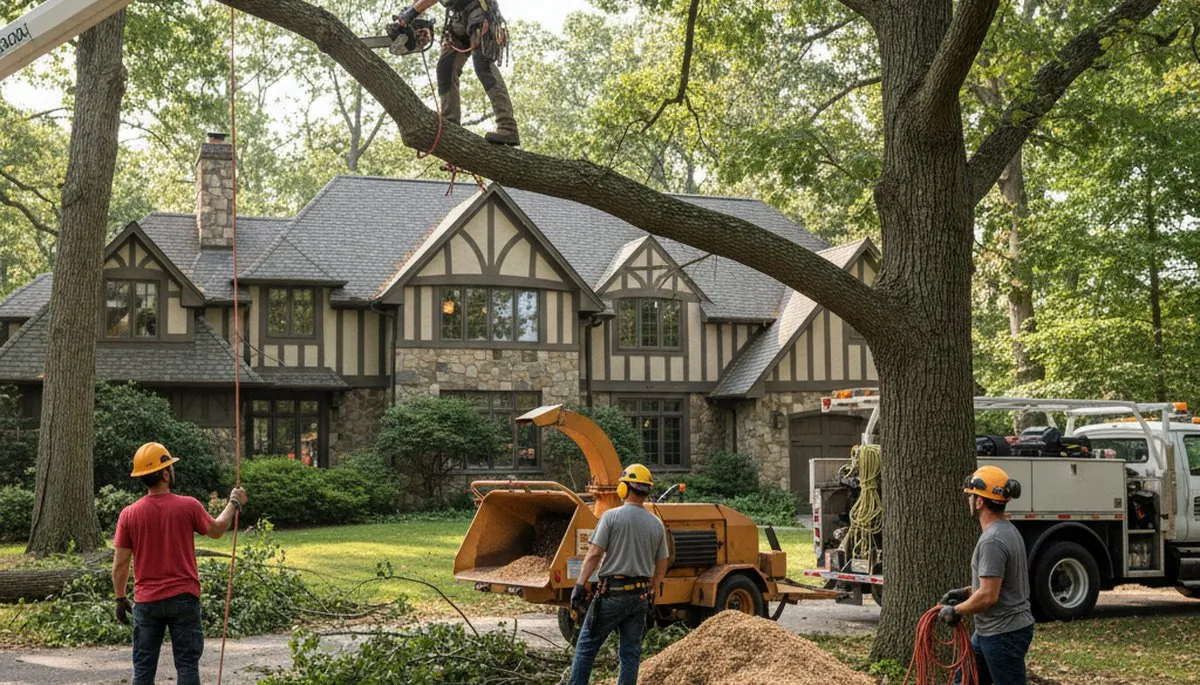
Because they work in the neighborhood every day, these professionals understand the mature hardwood cover, tight lot lines, and older underground infrastructure that shape tree care here. Each job is planned with the right equipment and methods for Huntington Woods properties, including limited crane access, root-sensitive work, and the storm exposure that comes with Michigan weather.
From selective crown thinning along Woodward Heights Boulevard to hazardous limb removal near the Rackham Golf Course boundary, every project is completed with careful workmanship and long-term property health in mind.
If you care about your home and landscape, let local contractors help keep your trees orderly, healthy, and safer in Huntington Woods.
Our Tree-Service Services
in Troy, MI, Include
A Service Area Designed to Fit Your Huntington Woods Neighborhood
The thick tree cover and narrow residential streets in this neighborhood call for tree care that is tailored, not generic. Local professionals bring a custom approach to each lot layout, canopy condition, and access point.
It makes no difference whether the property is a classic brick colonial on Scotia Road, a bungalow near Coolidge Highway, or a corner lot beside the Huntington Woods Recreation Center.
From tree pruning and stump removal to landscape design and insect management, every service is shaped around the neighborhood’s character and each property’s specific needs.
Huntington Woods’s Mature Urban Forest, Rooted in History
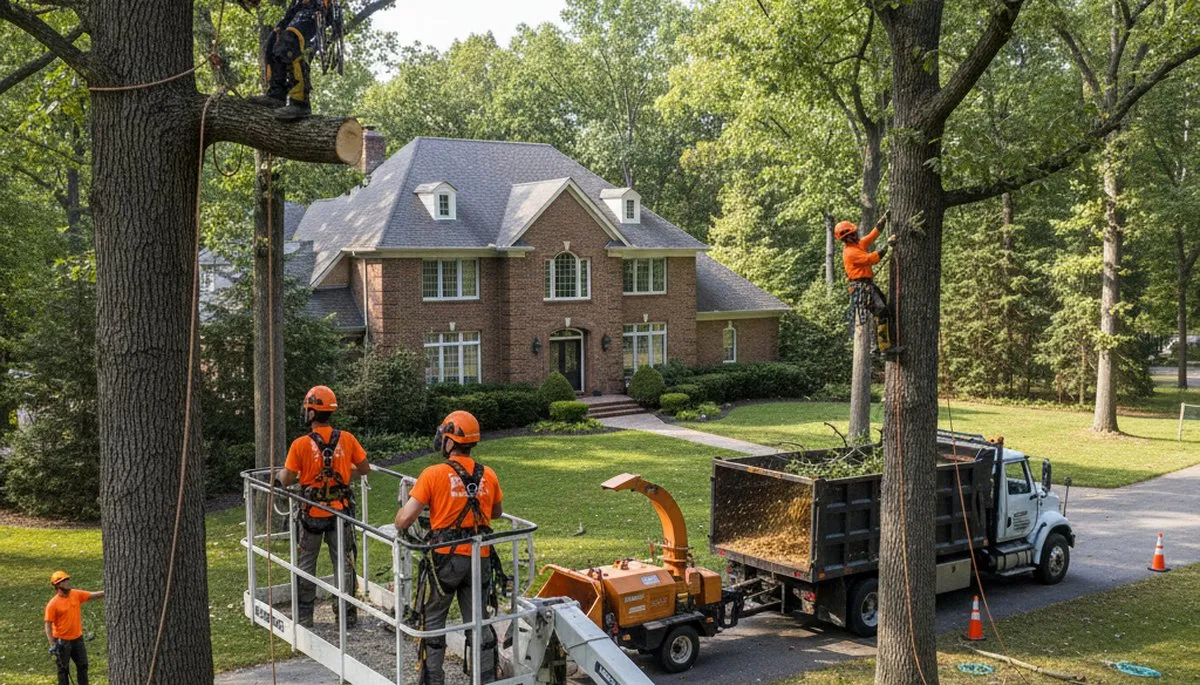
Huntington Woods was developed mainly in the 1920s and 1930s as a planned residential community, and many of the trees planted during that period have now reached impressive size. That history also brings modern concerns, including root conflicts, crowded canopies, and structural decline that affect how tree services must be performed today.
Aging Hardwood Canopy and Structural Decline
Many homes in Huntington Woods, especially along Lincoln Drive and Vassar Drive, support oak and maple trees that are now 80 to 100 years old and may show internal decay, co-dominant stems, or crown dieback. Those conditions can lead to unpredictable limb failure and greater liability risk, creating serious concerns for homes, driveways, and pedestrians.
Local professionals address structural decline with selective crown reduction, deadwood removal, and cabling or bracing when appropriate, helping reduce storm vulnerability and avoid long-term access problems.
Root System Intrusion on Compact Lots
The neighborhood’s dense planting adds beauty and shade, but the shallow, spreading roots of silver maples and American elms can also lift sidewalks and press against foundations. Surface root growth may crack pavement and interrupt drainage along curb lines.
Professionals handle these issues with precise root collar excavation, strategic root protection barriers, and careful soil aeration, all adapted to the utility corridors and paved surfaces beneath the canopy.
Fungal Disease Pressure in a High-Humidity Canopy
Years of heavy canopy cover and limited airflow have made it harder for many Huntington Woods trees to resist fungal pathogens such as oak wilt, anthracnose, and verticillium wilt.
Trusted pros support these trees with targeted disease treatments, seasonal fungicide applications, and selective thinning that improves air movement and supports long-term vitality across the neighborhood.
Storm Damage Risk from Michigan's Seasonal Weather
Michigan’s late spring and summer storms bring strong winds, heavy rain, and winter ice buildup, all of which can cause sudden limb failure, uprooting of shallow-rooted trees, and blocked access across Huntington Woods streets.
Experienced crews respond quickly with aerial lift equipment, sectional felling methods, and debris removal protocols that restore access and remove structural hazards even after severe weather.
Limited Equipment Access on Narrow Residential Streets
Tight setbacks and parked cars along neighborhood streets often make large equipment staging and crane placement difficult without careful planning before work begins.
Local pros rely on compact track-mounted equipment and hand-climb rigging systems, while also protecting surfaces and coordinating with neighbors to complete tree services with minimal disruption.
For ideas on keeping your Huntington Woods property maintained throughout the year, request a free quote from a local professional in Huntington Woods by calling (248) 809-5996.
Every property deserves safe access. Let Arbor Tree Care help protect it.

Kick off your tree service project today!

Tree Services in Huntington Woods, MI: Care for Every Season
From routine canopy maintenance to urgent storm response, here’s how local pros help keep properties orderly, healthy, and protected all year long:
Routine Tree Trimming and Pruning in Huntington Woods, MI
- Crown Thinning for Mature Oaks and Maples: Dense canopies along Scotia Road and Woodward Heights Boulevard benefit from thinning that lets in more light and lowers wind resistance during storm season.
- Clearance Pruning Near Utility Lines: Homes near Coolidge Highway often need careful branch clearance from overhead lines, completed with insulated equipment and attention to utility standards.
- Structural Pruning for Young Replacement Trees: Newly planted street trees near the Huntington Woods Recreation Center need early pruning to build strong branch structure before the canopy becomes heavier.
- Seasonal Deadwood Removal: Regular removal of dead and weakened limbs across the area’s aging hardwood population helps reduce hazards before Michigan’s winter ice events.
- Shrub and Understory Trimming: Overgrown ornamental shrubs along foundation beds throughout the neighborhood benefit from seasonal shaping that preserves plant health and keeps sightlines clear. Residents in nearby communities such as those looking for tree pruning professionals in Berkley, MI deal with similar canopy management needs across Oakland County’s older residential streets.
Book routine trimming before Michigan’s storm season to help protect your canopy and reduce the need for emergency service.
Tree Removal Services in Huntington Woods, MI
- Hazardous Tree Removal Near Structures: Leaning or weakened trees near homes on Lincoln Drive and Vassar Drive are taken down in controlled sections to reduce the chance of damage to roofs and foundations.
- Dead Tree Removal Before Winter: Standing dead trees throughout the neighborhood pose a serious risk during snow and ice loading and are best removed before cold weather arrives.
- Storm-Damaged Tree Removal: Trees split or uprooted by severe weather are cleared quickly to restore driveway and street access across impacted blocks.
- Canopy Removal for Renovation Projects: Property owners planning landscaping or hardscape work near the Rackham Golf Course area often need selective tree removal to make room for new site plans.
- Emergency Removal of Fallen Trees: Trees that block roads or rest on structures are handled with priority response and coordinated with Huntington Woods access requirements.
Removing hazardous or dead trees on time helps protect your home, your neighbors, and the health of nearby trees.
Stump Grinding and Cleanup in Huntington Woods, MI
- Compact Stump Grinding on Narrow Lots: Smaller grinding equipment reaches stumps in tight side yards and near foundation plantings without harming nearby turf or hardscape.
- Surface Root Grinding After Removal: Shallow surface roots left behind after silver maple or elm removal along residential streets are ground down to reduce tripping hazards and support lawn restoration.
- Stump Removal Before Landscaping Projects: Homeowners redesigning front or rear yards near Coolidge Highway clear stumps before sod installation, garden bed construction, or patio work begins.
- Multi-Stump Clearance After Storm Events: After major storms, multiple stumps from uprooted trees on the same property can be cleared in one visit to limit cost and disruption.
- Post-Grinding Debris Cleanup and Backfill: Once grinding is complete, crews remove wood chips and backfill the cavity with topsoil so the site is ready for replanting or turf repair. Nearby communities with similar cleanup needs can explore stump grinding in Royal Oak, MI for comparable residential lot conditions.
Stump removal reclaims usable yard space, helps reduce pest habitat, and prepares the ground for healthy tree planting or lawn restoration across Huntington Woods properties.
Emergency Tree Services in Huntington Woods, MI
- 24-Hour Storm Response: When severe weather drops limbs across driveways or roofs in Huntington Woods, emergency crews respond quickly to clear hazards and restore access.
- Fallen Tree Extraction from Structures: Trees that land on garages, fences, or home exteriors require careful sectional removal to avoid adding more structural damage during cleanup.
- Emergency Limb Stabilization: Partially attached limbs hanging over occupied areas are secured or removed right away to prevent sudden failure and injury.
- Post-Ice Storm Canopy Assessment: After Michigan’s winter ice storms, professionals inspect damage across affected properties and identify branches that need removal before spring growth begins.
- Emergency Root Zone Exposure After Uprooting: When trees uproot in saturated soil, the exposed root ball and displaced earth create immediate safety and access concerns that call for prompt clearing and site stabilization.
Fast emergency response helps protect Huntington Woods properties from secondary damage and keeps residents safer when severe weather arrives without warning.